
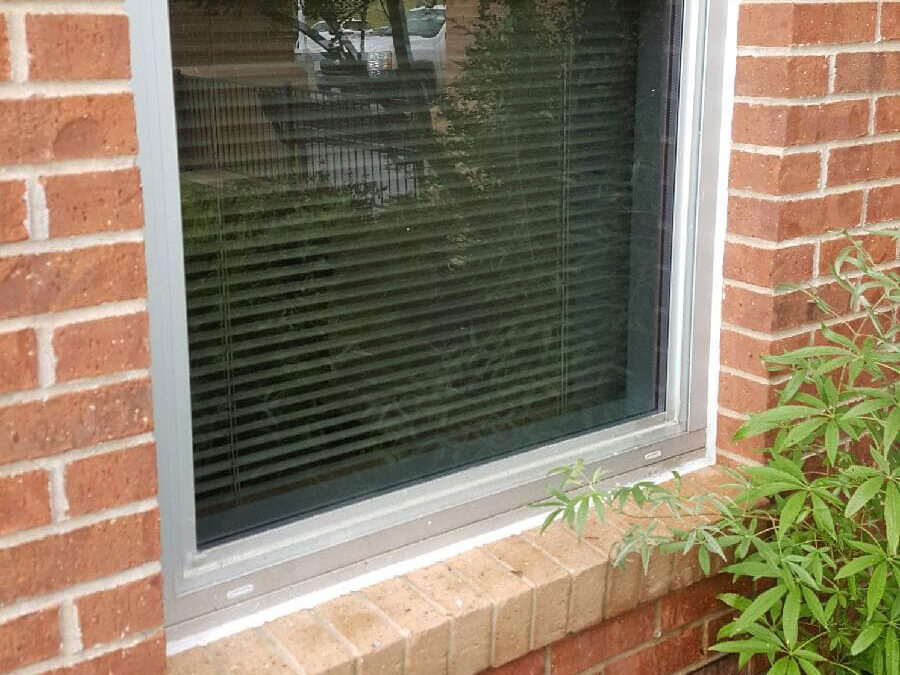
Windows do not usually fail all at once. They age quietly, one small problem at a time, until one summer you notice the air conditioner never seems to catch up. In Texas, where the sun can beat on a west-facing wall for hours and temperatures swing wildly between seasons, windows work harder than in many parts of the country.
How do you know whether your windows still have life left, or whether replacement is the smarter move? Here are nine signs we see in Mansfield and across the DFW area, along with what each one means and what to do about it.
Why Texas Is Tough on Windows
Before the list, a quick look at what your windows face here:
- Intense summer sun that heats glass, frames, and sealants day after day.
- Large temperature swings, including hot afternoons, cold snaps, and the occasional hard freeze.
- Strong storms with wind, hail, and driving rain.
- Shifting clay soil that can move foundations slightly and put stress on window openings.
Every one of those can speed up wear. Keep them in mind as you read through the signs.
Sign 1: Your Cooling Bills Keep Climbing
If your air conditioning runs constantly and your energy bills seem to creep up, your windows may be part of the reason. Older single-pane windows, or double-pane units with failed seals, let heat in much more easily than modern energy-efficient windows.
Many factors affect a utility bill, so do not blame the windows alone. But if the rest of your system checks out and the house still struggles to stay cool, the windows deserve a close look. Our related post on Low-E glass for Texas summers explains how newer glass reduces heat gain.
Sign 2: You Feel Drafts or Hot Spots
Stand near a closed window on a windy day. If you feel moving air, there is a gap somewhere. You may also notice that one room is always warmer than the rest, particularly in the afternoon when the sun hits it directly.
Drafts can come from worn weatherstripping, which is sometimes repairable, or from frames that have warped or shifted, which often means replacement.
Sign 3: Foggy or Cloudy Glass Between the Panes
Moisture or haze trapped between two panes of glass is a classic sign that the sealed unit has failed. Once the seal breaks, the insulating gas escapes and humid air gets in. You cannot wipe this away because it is inside the glass.
Sometimes the glass unit can be replaced within the existing frame. Other times it makes more sense to replace the whole window. We cover this decision in depth in our post on foggy windows and failed seals.
Sign 4: Windows That Are Hard to Open, Close, or Lock
Sticking sashes, cranks that grind, and locks that will not line up are more than annoyances. They can signal warped frames, worn hardware, or settling in the opening. A window that will not lock properly is also a security concern.
Texas humidity swings and shifting soil can both contribute to frames that no longer sit true. A simple adjustment may fix a minor issue, but persistent trouble usually means the window has reached the end of its useful life.
Sign 5: Visible Damage to Frames
Take a walk around your home, inside and out, and look at the frames.
- Wood frames: Look for soft spots, peeling paint, cracks, or rot. Pressing gently with a screwdriver tip on suspect areas can reveal soft wood.
- Vinyl frames: Watch for warping, discoloration, or cracking caused by years of sun.
- Aluminum frames: Check for corrosion, bent corners, or failing seals at the joints.
Damage that has gone beyond cosmetic usually justifies replacement rather than another coat of paint or caulk.
Sign 6: Water Leaks or Moisture Around the Window
Stains on the wall below a window, bubbling paint, mildew, or damp drywall can all point to water getting in. Sometimes the culprit is failed caulk or flashing around the window, which can be fixed. Other times the frame itself is compromised.
Do not ignore water intrusion. Even a small leak can lead to hidden damage, so it is worth having a professional look at it sooner rather than later.
Sign 7: Excessive Outside Noise
If you can hear traffic, lawn equipment, or neighborhood activity as clearly with the windows closed as open, your windows may no longer be sealing or insulating well. Modern double-pane windows with good seals typically reduce noise noticeably compared with older single-pane units.
Sign 8: Fading Furniture, Floors, and Art
Strong Texas sunlight can fade fabrics, hardwood, and framed pictures. If you see sun damage creeping across a room, your windows may not be filtering enough UV light. Low-E coatings on newer glass can help reduce the amount of UV that gets through, though no window eliminates fading completely.
Sign 9: Your Windows Are Simply Old
Age alone is not a reason to replace windows, but it is a data point. Windows that are decades old likely use older technology, with single panes, basic aluminum frames, or early double-pane designs. If a window is old and showing one or more of the signs above, replacement is often the more practical path.
Repair or Replace? A Quick Guide
Not every problem requires full replacement. Here is a rough rule of thumb.
Repair May Be Enough When:
- Weatherstripping or caulk has worn out.
- A lock, crank, or roller needs replacing.
- A single pane of glass is cracked in an otherwise sound frame.
- Minor drafts come from gaps that can be sealed.
Replacement Is Usually the Better Call When:
- Frames are rotted, warped, or corroded.
- Multiple windows show seal failure.
- Energy performance is poor across the house.
- Repairs are becoming frequent.
- You want better comfort and efficiency overall.
A professional can help you tell the difference. We would rather tell you honestly that a repair will do than sell you something you do not need.
What to Expect When You Replace
A typical process includes an in-home consultation, measurements, selecting the style and glass package, fabrication or ordering, and professional installation.
Choices include frame material, window style (single-hung, double-hung, sliders, casements, picture windows), glass coatings, and gas fills.
Planning ahead matters. Replacing windows during mild weather is more comfortable, but we also help homeowners who need quick relief from summer heat or storm damage. If cost is a concern, we offer 0% financing, with details on our financing page.
Why Work With a Local Team
Mansfield Glass & Windows has served the DFW area for over 25 years. We are family-operated, woman-owned, and fully insured, and we source glass from local suppliers.
We work on both residential and commercial properties, so whether it is a family home or a storefront, we understand how local conditions affect glass.
Frequently Asked Questions
How Long Do Windows Typically Last?
It varies widely with the material, quality, installation, and exposure. Instead of focusing on an age, watch for the signs in this post.
Will New Windows Really Lower My Energy Bills?
Efficient windows can reduce heat gain and help your system work less hard, but results depend on your home, insulation, and cooling system. Be wary of anyone promising an exact savings figure.
Can I Replace Just a Few Windows?
Yes. Many homeowners start with the rooms that are hottest or most uncomfortable, such as west-facing living areas.
Do I Need to Replace Windows After a Hail Storm?
Not always. Check for cracked glass, damaged frames, and broken seals, and consider having a professional inspect them.
Do You Handle Commercial Windows Too?
Yes. See our commercial glass services page for more information.
Helpful Links
Not Sure About Your Windows? Let’s Take a Look
If any of these signs sound familiar, call or text us at (817) 473-3909, visit 7489 Rendon Bloodworth Rd, Mansfield, TX 76063, or send a note through our contact page.
We will give you an honest assessment and clear options.